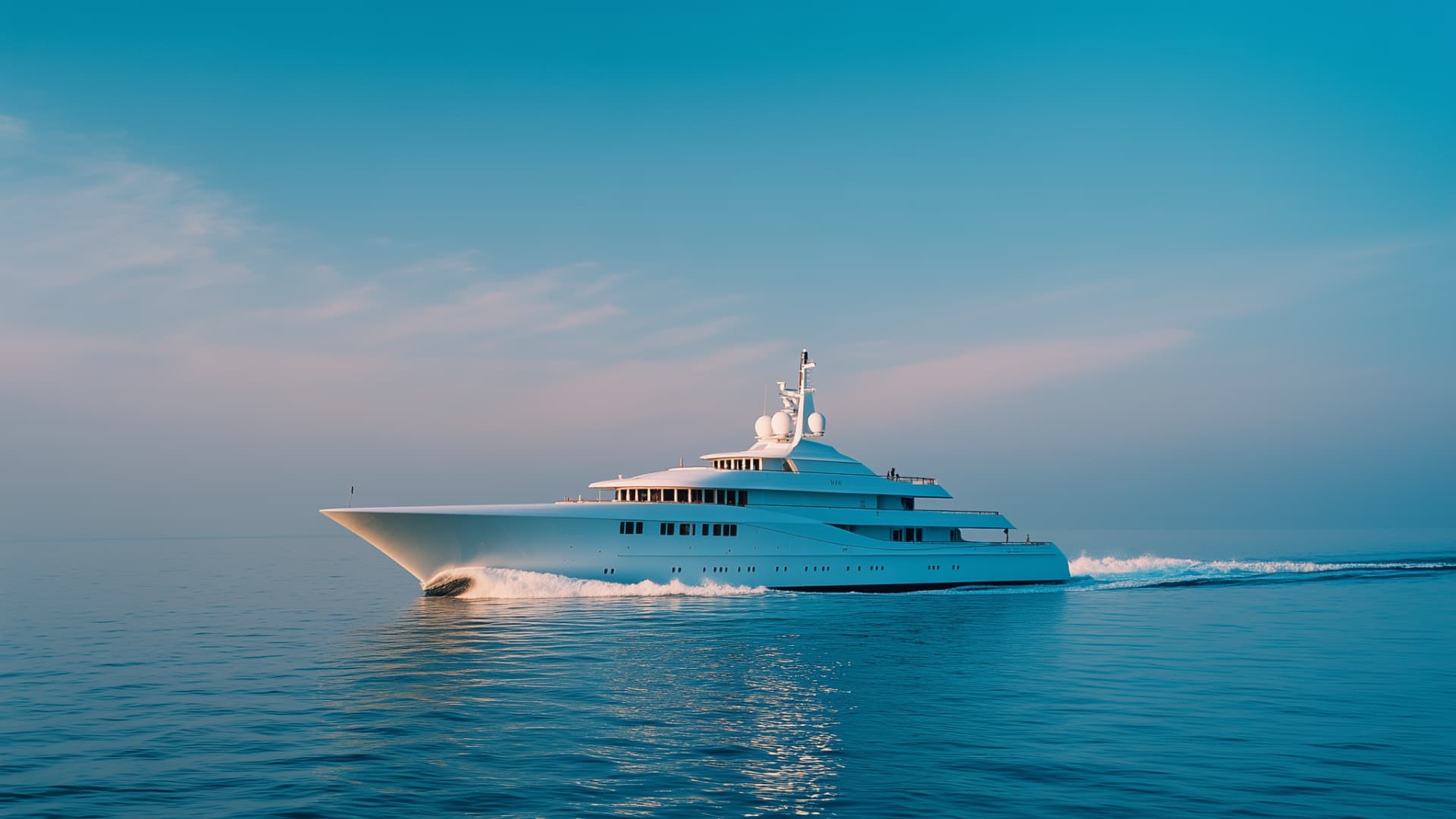
What to Expect on a Sailing Holiday in Sardinia
A sailing holiday is fundamentally different from a hotel holiday. Your accommodation moves with you. Every morning you wake up in a different bay — one day it is the pink granite cliffs of Spargi, the next it is the glamorous harbour of Porto Cervo. The yacht is your floating base camp, and the entire northeast coast of Sardinia is your playground.
The daily rhythm is relaxed. A typical day starts with breakfast in the cockpit as the morning light hits the water. You weigh anchor mid-morning and sail 8–15 nautical miles to the next destination — usually an hour or two of actual sailing. The rest of the day is swimming, snorkelling, paddleboarding, reading on deck, or going ashore to explore a village or beach. Evenings are either dinner aboard (cooking in the galley or barbecue on the stern) or eating at a waterfront restaurant.
You do not need to be an experienced sailor. If you book a skippered charter, the professional captain handles all navigation, mooring, and sailing. You can participate as much or as little as you want — learn to helm, trim a sail, or simply lie on the foredeck with a book while someone else does the work.
The sailing area in northeast Sardinia is ideal for holidays. Distances between stops are short (rarely more than 15nm), the water is sheltered, the weather is reliable from June to September, and there is an extraordinary density of world-class anchorages within a compact area. You can see more in a week of sailing than in a month of driving around the island.
A Typical Week on the Water
Saturday: Check in at Cannigione or Portisco at 17:00. Boat briefing, provisioning (or pre-ordered provisions delivered to the yacht). First night aboard in the marina. Dinner ashore at a local restaurant.
Sunday: Depart for the Maddalena Archipelago. First stop: Caprera, anchor in Cala Coticcio (the 'Tahiti of Sardinia'). Swim, snorkel, lunch aboard. Afternoon sail to Spargi, anchor in Cala Corsara for the night.
Monday–Tuesday: Island-hop through the archipelago. Budelli (Pink Beach — viewed from the water), Razzoli, Santa Maria. Each island has its own character. Crystal-clear water, pink granite, virtually no other people outside peak August.
Wednesday: Cross to Bonifacio, Corsica (12nm from the northern Maddalena islands). The approach from the sea — white limestone cliffs, the old town perched above — is one of the great arrivals in Mediterranean sailing. Walk the old town, dinner at a clifftop restaurant.
Thursday: Sail south through the Lavezzi Islands (French marine reserve with extraordinary snorkelling) back to Sardinia. Anchor near Porto Cervo or Baia Sardinia. Evening ashore on the Costa Smeralda.
Friday: Final day of sailing. Swim stops at Cala di Volpe and Mortorio island. Return to base by 17:00 for check-out. Last dinner ashore in Cannigione.
Saturday: Disembark by 09:00. Transfer to Olbia Airport. See our full itinerary guide for detailed route options.
Which Yacht for a Sailing Holiday
Catamarans (40–50ft) are the most popular choice for sailing holidays — especially for families and groups. Four cabins, four bathrooms, a spacious cockpit for dining, and the stability that makes a week on the water comfortable for everyone including first-timers and children. A 42–46ft catamaran is the standard family sailing holiday yacht.
Sailing yachts (36–46ft) suit couples and experienced sailors who want the authentic sailing experience. Less space than a catamaran but lower cost and better sailing performance. A 40ft monohull with 3 cabins is ideal for a couple or a small family.
Motor yachts (40–70ft) are for guests who prioritise comfort over sailing. Air conditioning, proper showers, flybridge sunbathing. More speed means more time at each destination. Crewed motor yachts add a chef and steward for the ultimate floating hotel experience.
Not sure which to choose? See our catamaran guide and sailing yacht fleet, or ask us — we will recommend the right yacht based on your group, budget, and experience.
When to Book a Sailing Holiday
June and September are the best months for a sailing holiday in Sardinia. The weather is warm (28–30°C), the water is swimmable (24–26°C), the winds are consistent but manageable, and the anchorages are quieter than peak summer. Charter prices are 20–30% lower than July–August.
July and August are peak season. The hottest weather, the busiest anchorages, the most electric atmosphere in Porto Cervo. If you want the social scene and do not mind sharing popular bays with other yachts, peak summer delivers. Book 3–6 months ahead — especially for 42–46ft catamarans which sell out fastest.
May and October are shoulder months. Cooler (22–26°C), very quiet, and the cheapest charter rates. Swimming is still possible (water 20–22°C). Ideal for experienced sailors who want solitude. Some charter companies reduce their fleet in these months, so availability is more limited.
For a detailed seasonal breakdown, see our best time to charter guide.
Who a Sailing Holiday Suits
Families: A sailing holiday gives children space, freedom, and adventure that no resort can match. They swim off the back of the boat, snorkel in crystal-clear water, explore uninhabited islands, and fall asleep in their own cabin rocked gently by the waves. See our family sailing guide.
Couples: Few holidays are more romantic than a week on a yacht in Sardinia. Sundowners at anchor, dinner under the stars, waking up to turquoise water outside your cabin window. A 36–40ft sailing yacht or a crewed motor yacht are the most popular couple choices. See our couples sailing guide.
Groups of friends: A 42–46ft catamaran sleeps 8 in four cabins — perfect for four couples or a group of friends. The social spaces (cockpit, foredeck, saloon) are large enough for everyone. Shared cost makes it surprisingly affordable per person. See our group sailing guide.
First-timers: If you have never been on a yacht, a skippered sailing holiday in Sardinia is the ideal introduction. The waters are calm, the distances short, the scenery spectacular, and the skipper handles everything. You will not believe you did not do this sooner.
Sailing Holiday Costs
A week-long sailing holiday in Sardinia is more affordable than most people expect — especially when you factor in that accommodation, transport between destinations, and (on some charters) meals are all included.
Bareboat sailboat (36–42ft, 2–3 cabins): €2,000–€5,000/week peak. For 4 guests, that is €500–€1,250 per person for a week.
Bareboat catamaran (42–46ft, 4 cabins): €4,500–€9,000/week peak. For 8 guests: €560–€1,125 per person.
Skippered charter (any yacht): Add €1,300–€1,800/week for the skipper.
Crewed motor yacht (50–80ft): €8,000–€30,000/week all-inclusive. The luxury option.
Additional costs to budget: Provisioning (€50–€80/person/day if cooking aboard), marina fees (€30–€100/night where applicable), fuel (€150–€300 for a sailing yacht, more for motor yachts), cleaning and linen (€100–€250).
For the full pricing breakdown, see our cost guide.
Search Available Yachts
Sailing Holiday Routes in Sardinia
Most sailing holidays cover the triangle between Cannigione, the Maddalena Archipelago, and the Costa Smeralda — with an optional hop to Bonifacio in Corsica.
Frequently Asked Questions
Do I need sailing experience for a sailing holiday?
No — book a skippered charter. The captain handles all sailing, navigation, and mooring. You can participate as much or as little as you want. Bareboat charters require a valid sailing licence.
How many people can go on a sailing holiday?
A 36–40ft sailboat sleeps 4–6. A 42–46ft catamaran sleeps 6–8. Larger catamarans (48–52ft) sleep 10–12. Crewed motor yachts can accommodate up to 12 guests.
What do I need to bring?
Soft bags (not hard suitcases — they do not fit in cabin storage), swimwear, sun protection, light layers for evenings, non-marking deck shoes, and a waterproof phone case. The yacht provides bedding, towels, and safety equipment.
Is it suitable for children?
Excellent — especially on catamarans. Children love the freedom, the swimming, the snorkelling, and having their own cabin. The yacht provides life jackets for children. Most skippers are experienced with families.
What if the weather is bad?
Sardinia has very reliable summer weather — rain is rare from June to September. If the Mistral wind is strong, your skipper will adjust the route to sail in sheltered waters. A strong Mistral can actually make for exciting sailing while still being safe.
